Connecting Communities - One Trail Section At A Time
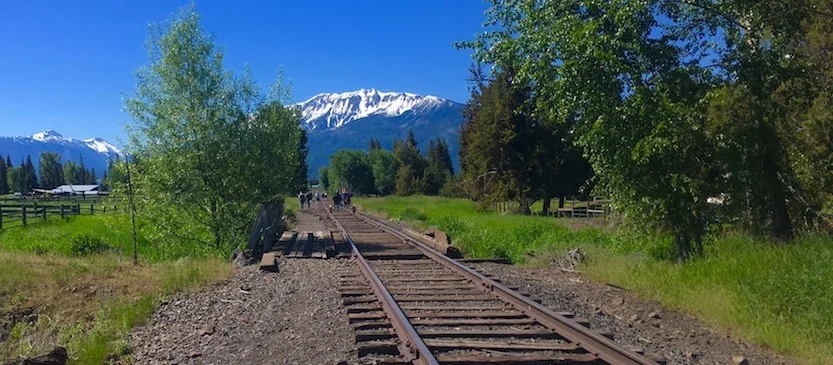
The Joseph Branch Trail Consortium, is a 501(c)(3) non-profit organization based in Enterprise, Oregon developing a trail-with-rail alongside the existing railroad tracks within the publicly owned Wallowa-Union Railroad Authority rail corridor.
A driving goal of this project is to connect the small towns of Elgin, Minam, Wallowa, Lostine, Enterprise, and Joseph by offering residents of all ages and abilities a new, multi-modal transportation option that is a safe and accessible way to get outdoors to recreate, commute, and exercise away from the ever-busier roads and highways. To achieve this goal, we have begun by implementing small sections of the trail-with-rail.
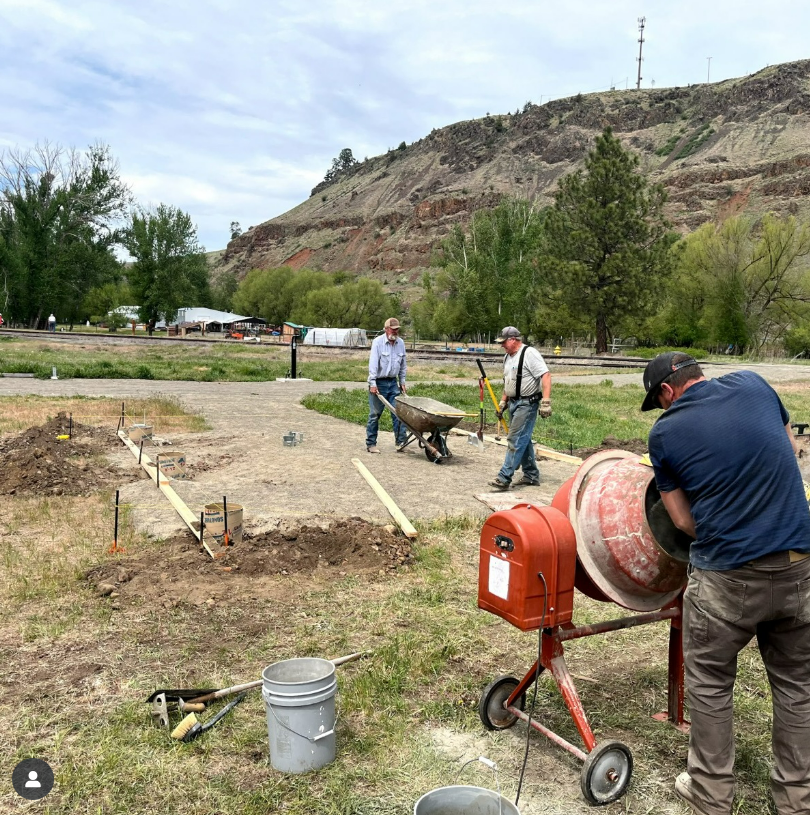
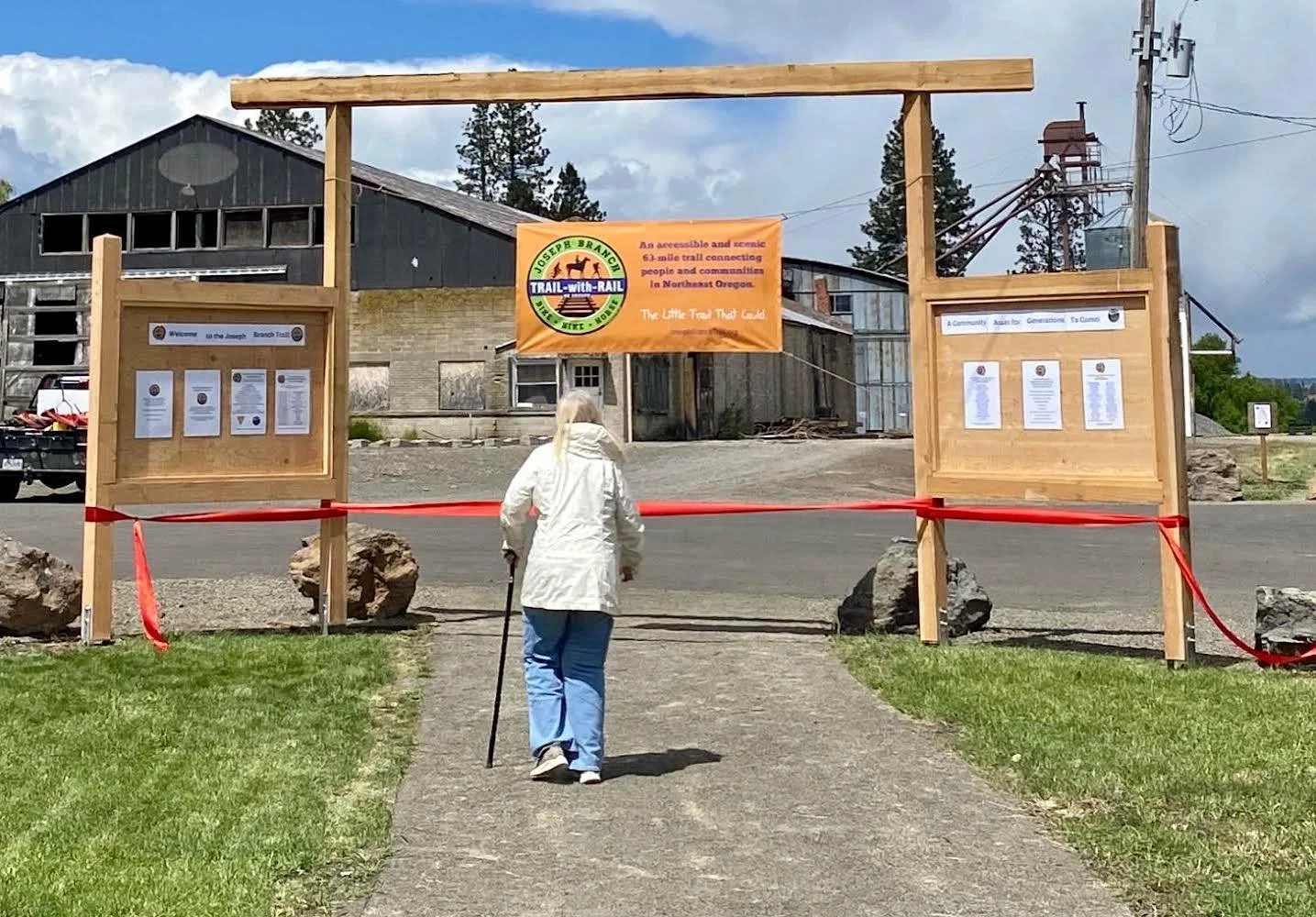
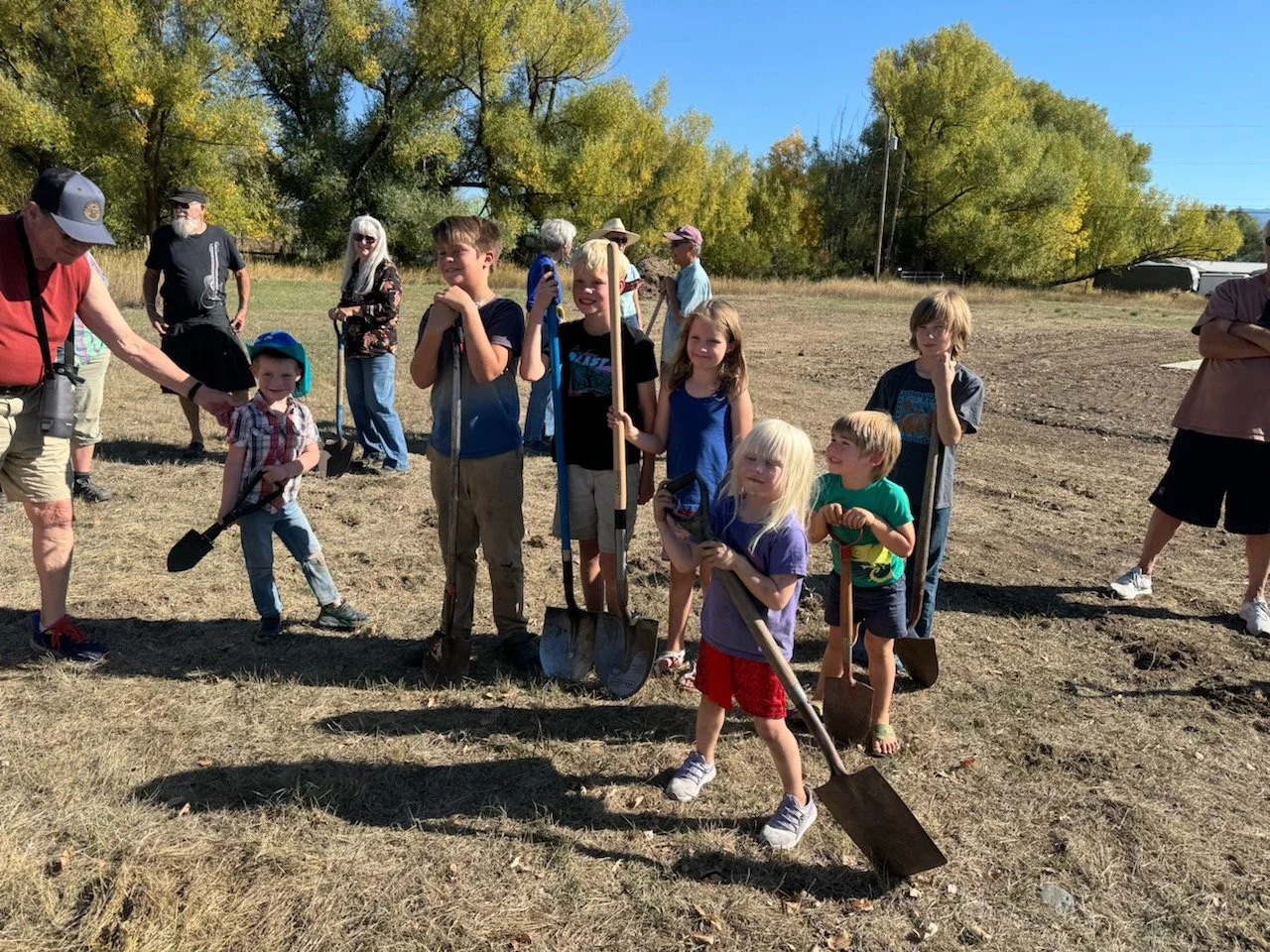
The first trail section and pocket park trailhead are complete in Elgin, Oregon! And construction of the second trail section is underway in Wallowa, Oregon! These first two trail sections lie within the city limits of each city, are ADA compliant and accessible to all!
The Wallowa County Board of Commissioners Hearing of #AMD 25-01 Regarding the Inclusion of the Minam-to-Wallowa Trail-with-Rail Refinement Plan into the County Transportation System Plan is on December 17th, 2025 at 7 p.m. at the Cloverleaf Building in Enterprise.
Wallowa County is a working rural county built on agriculture, forestry, and small towns that depend on each other. The Joseph Branch Trail Consortium respectfully asks the Board of Commissioners to include the Wallowa-to-Minam Refinement Plan for the Joseph Branch trail-with-rail corridor in the County Transportation System Plan (TSP) as a planning action only – not a construction approval. This request focuses on rural values and local control: - Protecting an existing public corridor rather than letting it remain unmanaged - Keeping future decisions in local hands - Using planning tools carefully and conservatively.
This action does NOT approve any construction, funding, or land use changes. It simply allows the County to retain information and options so future decisions can be made
deliberately and locally. Why a TSP Amendment Matters Adding the trail-with-rail Refinement Plan to the TSP is a planning step only.
What it Does: - Preserves technical research already completed on the corridor - Allows the County to reference wetlands, culverts, erosion, safety, and other data - Keeps future options available without commitment
What it Does NOT Do: - Authorize any construction - Commit any County funding - Change zoning or land use - Override landowner rights
Economic and Community Benefits (Rural Stability) A small, locally managed trail-with-rail can support rural stability by: - Providing a safe place for kids, seniors, and families to walk, bike, or horse ride - Supporting existing local businesses rather than outside development - Helping young adults picture staying in, or returning home to, the County - Improving daily quality of life without changing the working landscape - Dogs and Livestock (Respect for Working Lands) - Dogs are required to be leashed at all times - Clear, enforceable rules - Fencing, gates, and visibility improvements where needed - Direct coordination with adjacent landowners
Fire Risk (A Serious Rural Concern) - No fires and no camping - Reduced vegetation and fuel loads - Fire access route and defensible break
Trails and Crime - A nationwide survey of 372 rail-trails found that only 3% of trails reported any major crimes (assaults, muggings, rape, murder), and crime rates along trails were very low compared with general urban crime rates. Rural trails showed negligible crime against persons. Historical research of rail-trail cases concluded multiple times that trails do not increase crime in surrounding areas. In fact, rail-trail crime rates are often much lower than overall community crime, with few reported crimes near trail corridors. In comparisons of crime before and after trail openings, some studies show no increase in crime and others suggest trails may be associated with lower levels of crime overall, indicating trails are among the safer public environments. Research indicates that trail development typically does not lead to increased crime; lawful trail users act as “eyes and ears,” often increasing informal surveillance compared to abandoned, unmanaged corridors.
What this means for Wallowa County Concerns that a trail-with-rail will attract crime are not supported by evidence from large national and regional studies. In rural and urban contexts alike, the presence of active, well-managed trails tends to be neutral or positive in terms of public safety. Rail-trail corridors that replace abandoned infrastructure often improve informal community monitoring in areas that previously had no active land use.
Conclusions: - Aligns with existing County policy - In some cases, trails decrease crime rates and rarely lead to increased crime rates. - Preserves public data - Respects working lands - Keeps future options open
Sources
Rails-to-Trails Conservancy. (1998). Rail-trails and safe communities: The experience of 372 trails. Washington, DC: Author. Rails-to-Trails Conservancy. (2015). Rail-trails and crime: Evidence from across the
United States. Washington, DC: Author. Lindsey, G., Han, Y., Wilson, J., & Yang, J. (2006). Neighborhood correlates of urban trail use. Journal of Physical Activity and Health, 3(S1), S139–S157. https://doi.org/10.1123/jpah.3.s1.s139
Troped, P. J., Saunders, R. P., Pate, R. R., Reininger, B., & Ureda, J. R. (2001). Associations between self-reported and objective physical environmental factors and use of a community rail-trail. Preventive Medicine, 32(2), 191–200. https://doi.org/10.1006/pmed.2000.0788
Greenway Safety Study Committee. (2018). Greenway public safety and crime prevention. Charlotte, NC: Carolina Thread Trail. U.S. Department of Justice, Office of Community Oriented Policing Services. (2014). Crime prevention through environmental design (CPTED). Washington, DC: Author.
2025 Fundraising Campaign & Raffle Happening Now!
Hitting our $30,000 goal will fund more than half a year of staff time, so your gift of any amount makes a BIG difference.
Most grants don’t cover day-to-day operating expenses, which is why we rely on this Year-End Fundraiser to cover those costs. Thank you!Check out the Raffle Items below, then make a gift to be in the running for everything from a rafting trip and 2-night stays, a ski tune-up, or glass-blowing class. Thank you for giving what you can to support this trail that builds community and brings people together! P.S. New Raffle Prizes Added Every Week! Drawing is in January 2026!
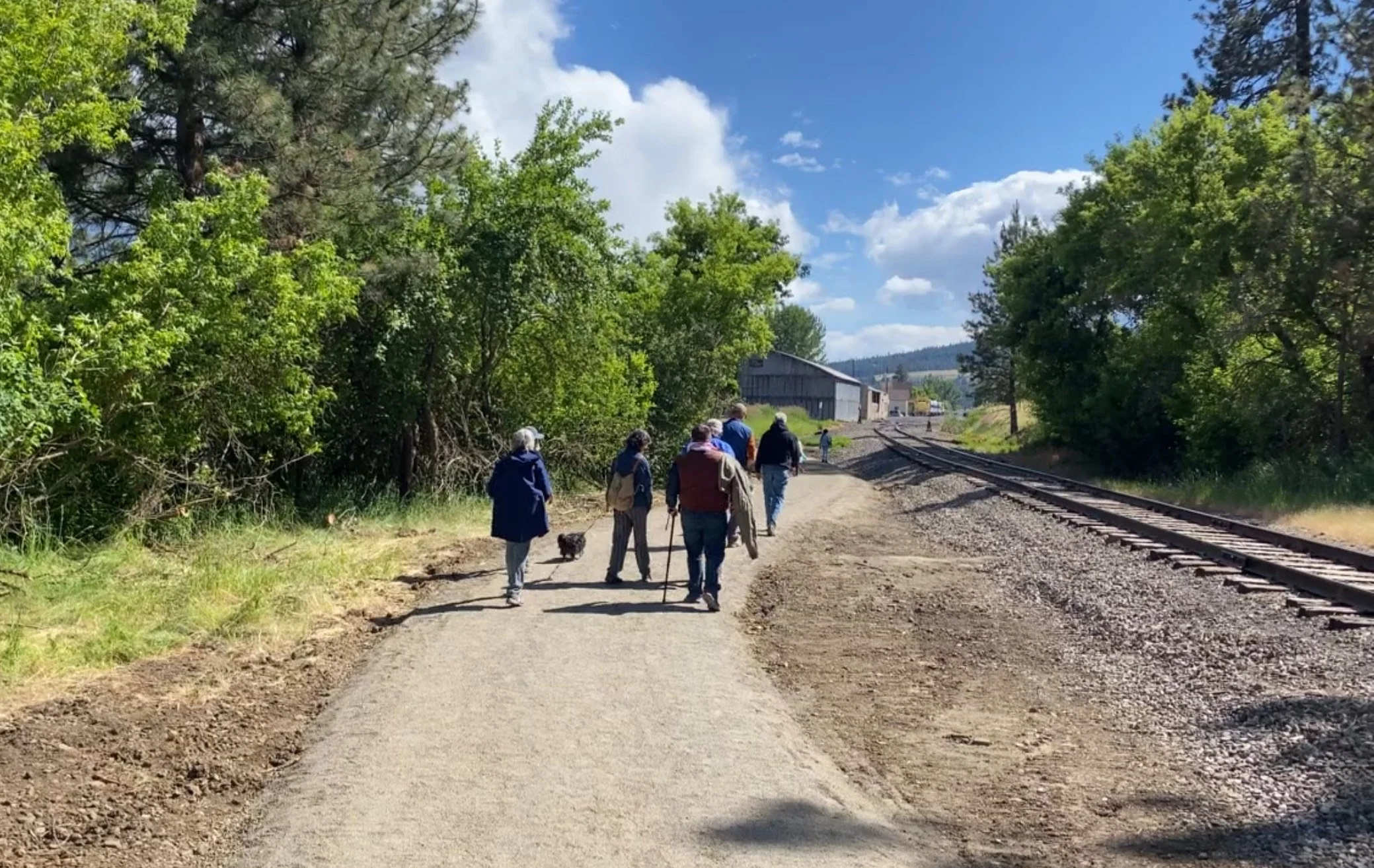
The Community of Elgin is loving their new trail-with-rail!
June 2024
Thank you for visiting our site to learn more! The Joseph Branch Trail Consortium (JBTC) strives to be as informative and transparent as possible. We welcome and want to hear your questions, comments, concerns, and ideas for the trail. Please use our contact page form or email info@josephbranchtrail.org to connect with the JBTC team.
Your support and advocacy for this project is what fuels this effort! If you are in favor of this trail-with-rail connecting communities in our beloved corner of Northeast Oregon, be sure stay up to date on our progress by receiving our monthly newsletter. And please consider making a tax deductible gift or filling out our volunteer interest form to support the “Little Trail That Could” today!
A Trail-With-Rail Will benefit us all!
Provide a safe route for all people in our communities, especially children, to ride bicycles, walk, and recreate
Improve transportation safety by offering an alternative route away from vehicle traffic by increasin access and mobility choices alternative to Highway 82
Provide accessible opportunities for recreation to improve the health of people with disabilities or other conditions that limit access
Allow the public to connect to the iconic working landscape, magnificent mountain ranges and river valleys, with increased river access.
Provide an almost flat trail for recreational opportunities including biking, hiking, and horseback riding
Increase community development and bolster local economies by supporting small businesses.
Connects to ODOT's Wallowa Lake Pedestrian/Bike Trail and the Enterprise Wildlife Refuge & Fish Hatchery
Proposed Trail-with-Rail Route Map
Here’s what Weiser River Trail Founding Board Member, Ron Hundahl says about his experience with their trail project:
“When we started planning the Weiser River Trail in 1998, there was opposition from some people that users would trespass on adjacent land, cattle would be harmed, and property vandalized. But it's been 25 years now and none of that has happened -- we've not had one instance of trail users vandalizing adjacent property or hurting livestock. Today, the children and grandchildren of some of those early opponents are now riding and using the trail. And realtors listing property tout the proximity to the trail as a selling point."